
When Paul “wrote,” he did not sit at a desk with a cup of coffee and a quill. Rather, he talked and a trained scribe listened and shaped his words into something that fit ancient conventions. It was slow, communal, and felt closer to producing a podcast than sending a personal message.
Early Christians often gathered around the person delivering the letter. That courier did more than drop it off. They performed it. They carried Paul’s tone in their memory and could answer questions about his intent.
The whole process was physical. Ink was expensive, travel was dangerous, and every copy required someone’s hands. As such, a letter was more than a piece of paper – it was an event. Hearing it aloud stitched the community together in real time.
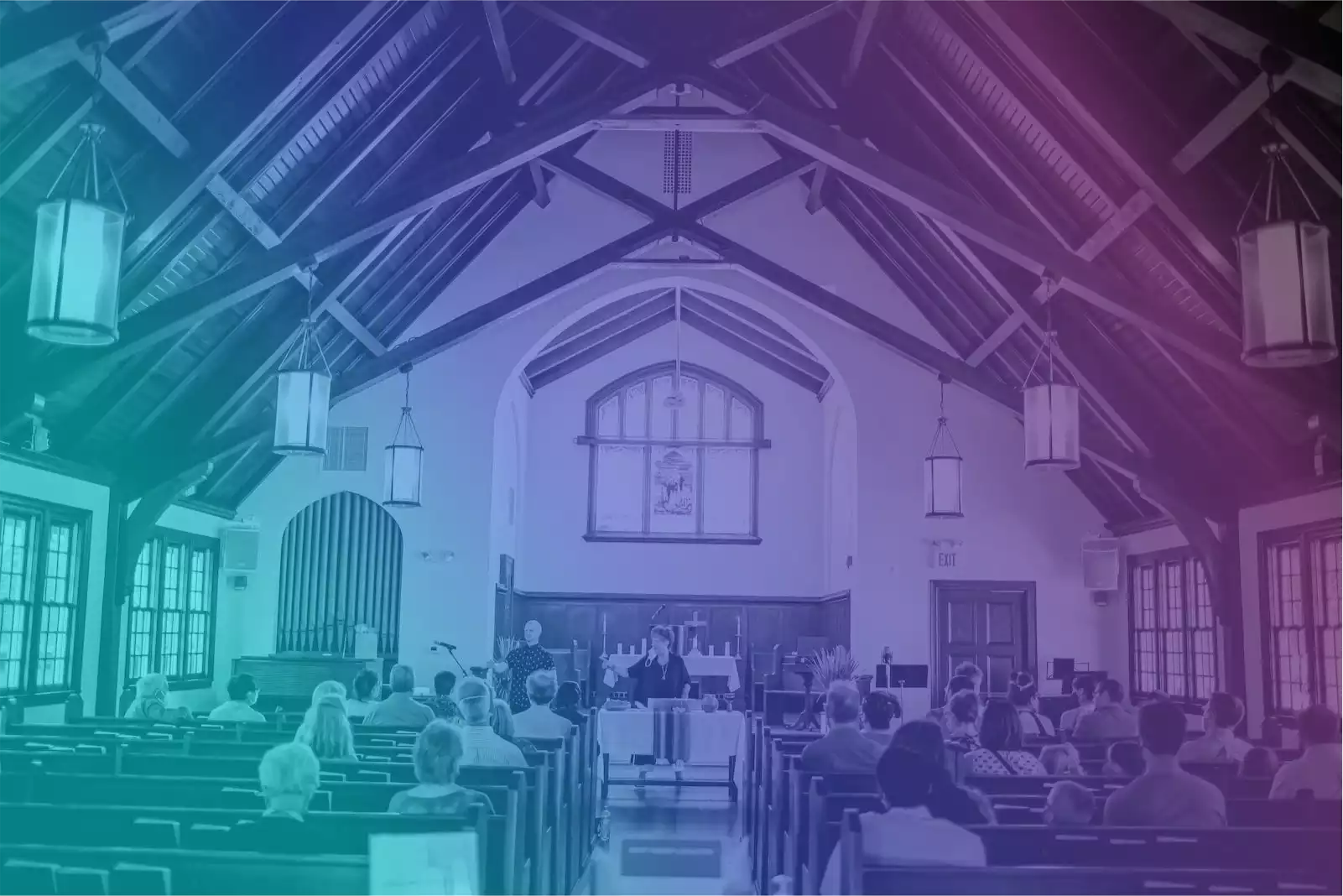
These words were shaped for rooms full of people sorting out belonging and courage, not for readers hunched over solitary screens. When we let the communal heartbeat of these letters rise to the surface, scripture becomes less of a relic and more of an invitation to listen together for the Spirit’s next word of hope.